

It is too early for a settled verdict on Lindsey Graham's legacy. That is not a dodge — it is the honest position. The consequences of the policies he championed are still unfolding.
The wars he supported are still being assessed. The alliances he reinforced and the ones he strained are still in flux. What we can do is map the terrain that future historians will navigate.
What He Built
Graham arrived in Congress in 1994 and spent thirty-two years accumulating institutional knowledge, committee seniority, and relationships that gave him genuine leverage.
As the ranking Republican on the Senate Judiciary Committee during multiple Democratic administrations, and as a senior member of the Armed Services Committee, he shaped legislation, held hearings that changed public understanding of issues, and exercised the kind of day-to-day influence that rarely gets captured in headlines.
He was a primary author of legislation that restructured military commissions for terrorism suspects, expanded veterans' benefits, reformed federal criminal sentencing, and delivered substantial federal investment to South Carolina.
These were real legislative achievements that affected real people. They tend to get crowded out in coverage dominated by his more dramatic moments.
The Foreign Policy Record
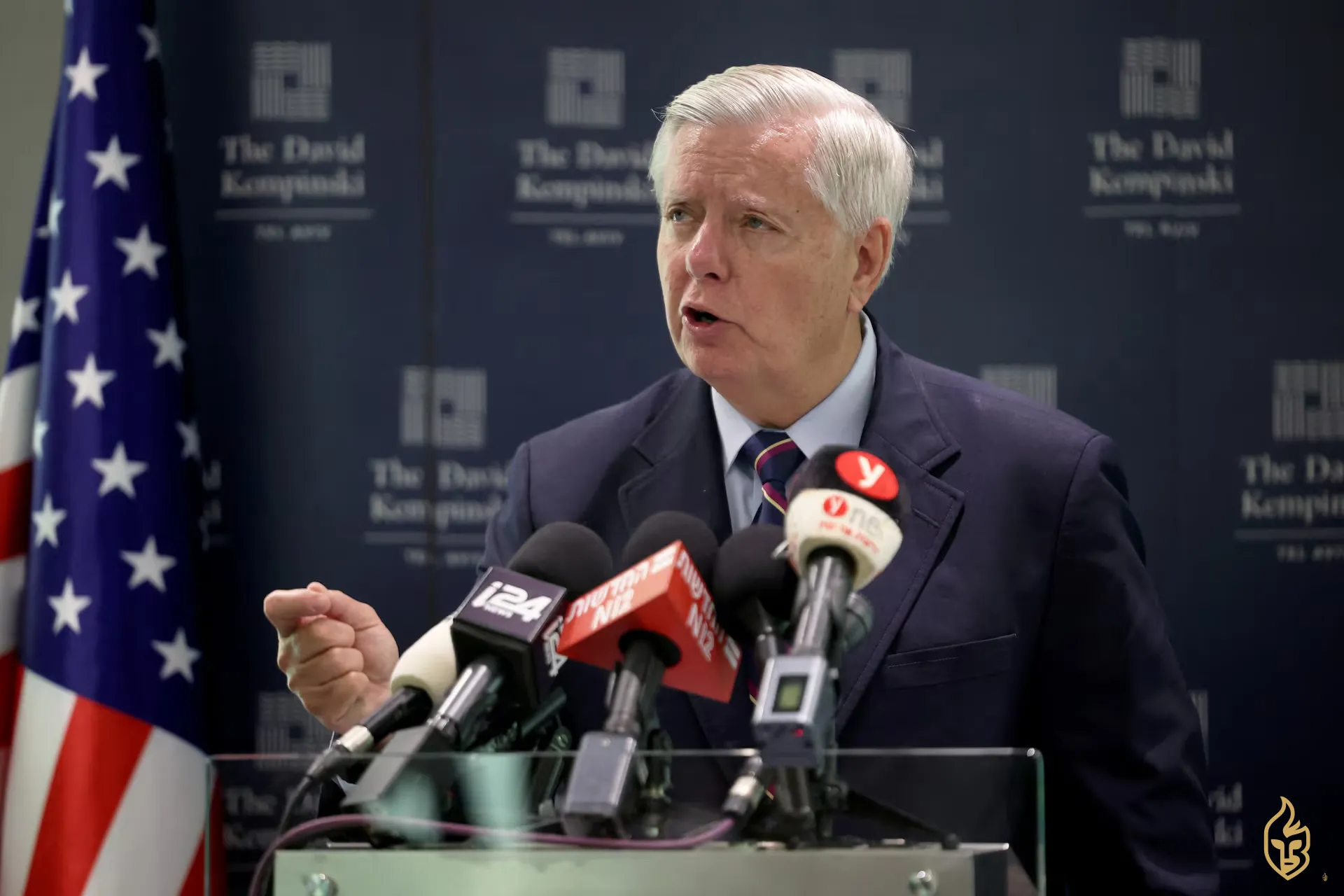
This is where his legacy is most contested. Graham supported every major American military intervention of his era — Afghanistan, Iraq, Libya, Syria, and Ukraine. He pushed for more engagement in Iran.
He consistently argued that American power, used assertively, was a force for stability.
The Iraq War alone — which he voted for and never fully recanted — is a formidable obstacle to any straightforward positive assessment.
The human cost of that conflict, the regional destabilization it produced, and the intelligence failures that enabled it will weigh heavily on anyone who supported it.
Ukraine is a more complicated case. Graham's advocacy for arming Kyiv began when it was politically costly and continued through years when it required real political capital to sustain. Whether that advocacy ultimately serves Ukrainian interests,
American interests, or both is a question the war itself will answer — and it has not yet answered it definitively.
The Trump Chapter
The Trump relationship will feature prominently in any account of Graham's legacy, for the obvious reason that it produced the starkest contradiction in his career.
A man who publicly called Trump unfit for office became one of his most effective Senate defenders. What drove that transformation — calculation, genuine changed opinion, fear of primary challenges, or something else — is something biographers will spend considerable time on.
What is clear is that Graham's alliance with Trump gave him access and influence in an administration that had significant power, and he used that access to push some of his policy priorities forward.
Whether what he got was worth what he gave is a judgment that depends heavily on how one values his specific priorities.
The Institutional Question
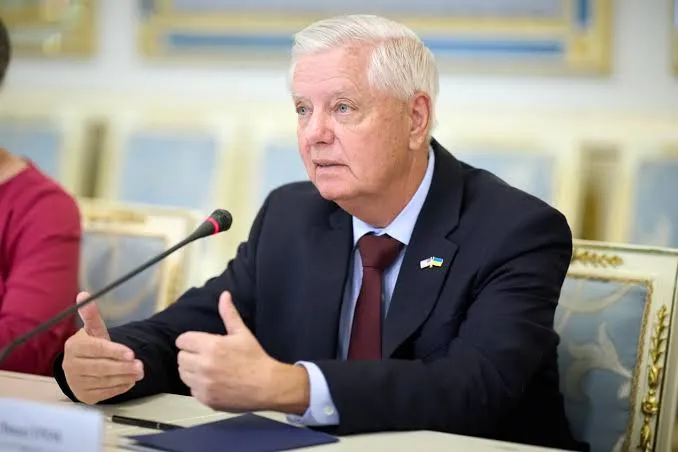
Graham served during a period when American political institutions came under serious strain.
His choices during that period — when to defend institutional norms and when to subordinate them to political considerations — will be part of how he is judged.
The Supreme Court confirmation reversals, the post-2020 election conduct, and the January 6 aftermath all involved moments where he made choices that will be scrutinized closely.
An Unfinished Verdict
Graham was aware that his record was complicated. He gave interviews acknowledging contradictions and explaining his reasoning in ways that were sometimes convincing and sometimes not. He was not, by any account, a simple man or a simple senator.
His biography, his controversies, the perspective of his supporters, and the critique of his detractors are all necessary reading for anyone trying to form a complete picture. The legacy, when it is finally written, will require all of that context.