

Lindsey Graham had enemies on the left and skeptics on the nationalist right. But he also had a large and devoted base of supporters who saw him as something increasingly rare in American politics: a senator who understood military service from the inside, who took national security seriously as a matter of conviction rather than political calculation, and who showed up repeatedly in difficult places when it would have been easier to stay home.
He Actually Served
This is where his supporters usually started. Graham joined the Air Force after law school, served as a JAG officer, and spent thirty-three years in uniform between active duty and the Reserve.
He reached the rank of Colonel and deployed to active war zones while sitting in the Senate.
When he talked about what American troops experienced, he was not doing it theoretically. His military career was real, extended, and at times genuinely dangerous.
In an era when military service has become increasingly rare among elected officials, that background gave Graham credibility with veterans, active service members, and military families.
He was consistently rated highly by veterans' advocacy organizations for his votes on veterans' benefits, healthcare, and transition support programs.
Consistent on Ukraine When It Was Costly
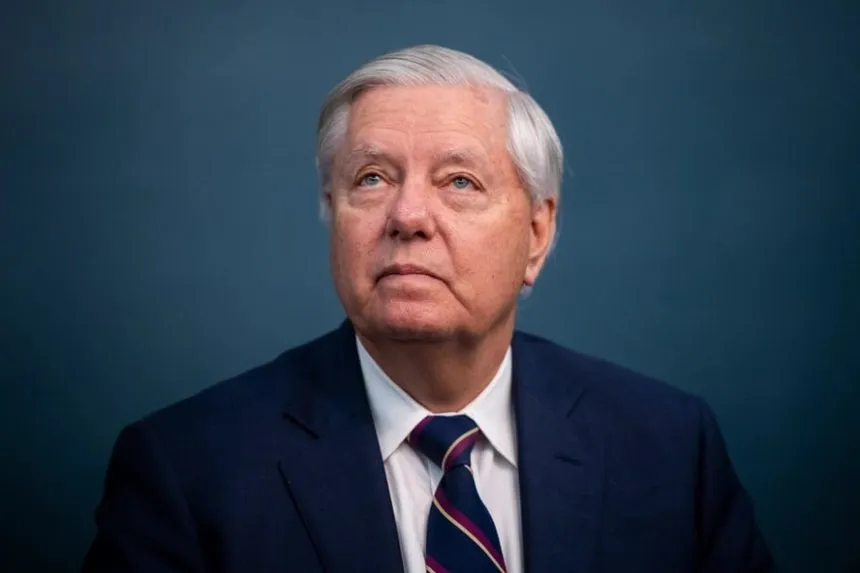
Long before Ukraine became a cause with broad bipartisan support, Graham was pushing for the United States to arm Kyiv. He called for lethal weapons transfers in 2015, when the Obama administration was refusing them.
He argued for sustained commitment when isolationist voices in his own party were gaining influence.
His final visit to Ukraine days before his death was not a photo opportunity — it was the latest entry in a decade-long record of showing up.
For his supporters, this was not warmongering. It was the recognition that authoritarian aggression, left unchecked, expands.
Graham made that case repeatedly, in Senate hearings and in Kyiv hotel conference rooms, and he never stopped making it even as it cost him politically with the isolationist faction of his party.
Bipartisan Work When It Mattered
Graham's record included genuine bipartisan legislation on issues that required political courage. The 2013 immigration bill — whatever one thought of its policy merits — was the product of actual negotiation across party lines, a kind of work that had become rare.
He worked with Democrats on climate legislation in 2009 and 2010, co-authoring a carbon pricing bill with John Kerry and Joe Lieberman before it collapsed.
He partnered with Democratic senators on criminal justice reform and veterans' healthcare legislation.
His allies argued that his willingness to negotiate with the opposition — even when his own base disapproved — was a sign of political seriousness, not weakness.
His Advocacy for Allies
Graham was one of the most consistent voices in the Senate for maintaining and strengthening the network of American alliances.
He was a NATO supporter who traveled to allied capitals regularly, not just for the optics but to maintain actual working relationships.
When some in the Trump administration suggested weakening America's security guarantees to allies, Graham was among the loudest Republican critics of that approach.
His position on Israel reflected a similar commitment to long-standing alliances that he believed served American interests as well as moral obligations.
Personal Resilience
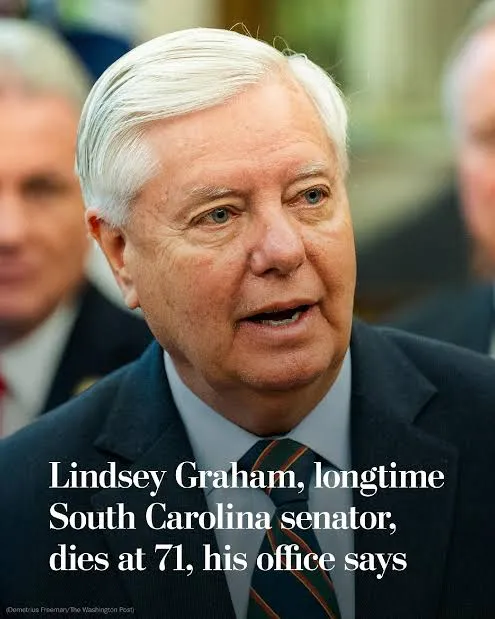
Graham's childhood — the early deaths of both parents, taking on responsibility for a younger sister while still in college — was part of the story his supporters told about him.
He did not come from privilege. He built a political career from a small town in South Carolina, put himself through school, and kept going when circumstances gave him every reason to stop.
That personal narrative resonated with supporters who saw it as evidence of genuine grit rather than performed toughness.
The Counterarguments
This article presents the perspective of Graham's supporters. His critics offered substantial counterarguments to most of these points — documented in the piece on why many Americans disliked him.
His full legacy will take years to properly assess, and reasonable people disagreed sharply about it even before his death.