

Lindsey Graham was in Kyiv when many people were at home watching the news. That was not unusual for him — he had visited Ukraine more than two dozen times since Russia's full-scale invasion began in February 2022.
The trip he completed shortly before his death on July 11, 2026, was, by his office's account, a standard oversight visit.
What the Trip Involved
Graham met with Ukrainian President Volodymyr Zelenskyy during the visit. His office described the meetings as focused on continued U.S. military support, the status of front-line operations, and accountability mechanisms for the reconstruction aid flowing into Ukraine.
Graham had been a consistent advocate for unconditional military assistance to Kyiv, often pushing the Senate to accelerate approvals for weapons packages.
He also met with members of Ukraine's parliament and defense officials, according to statements from the Ukrainian side.
No joint press conference was held, which was sometimes the case on his working visits rather than high-profile diplomatic trips.
What Graham Said About Ukraine
Graham had been one of Ukraine's most vocal American supporters since 2014, when Russia annexed Crimea. After the 2022 invasion, his position hardened further.
He described Russia's war as an act of imperial aggression that threatened the entire post-1945 international order, and he argued that American failure to back Ukraine would embolden authoritarian governments in China, Iran, and North Korea.
During an earlier Kyiv visit in 2023, Graham made remarks that became globally notorious — he called the death of Russian soldiers "the best money we've ever spent."
The comments drew sharp criticism even from some of his allies and contributed directly to Russia issuing a criminal arrest warrant against him later that year.
In the weeks before this final trip, Graham had been publicly calling for increased long-range strike capability for Ukrainian forces.
He had introduced legislation in the Senate to expand the categories of weapons that could be transferred to Kyiv without additional congressional review.
The Return and What Followed
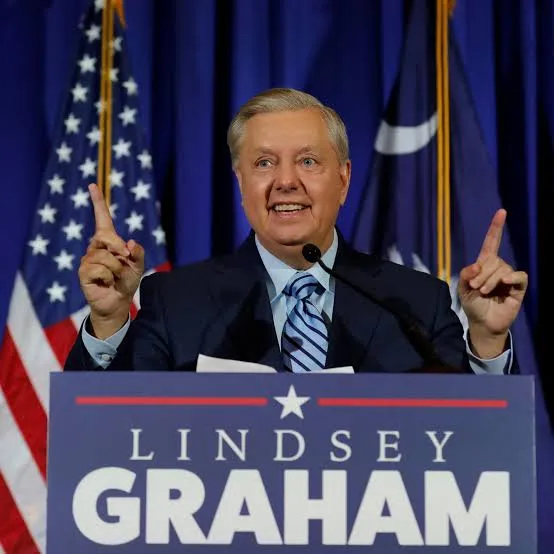
Graham returned to the United States after completing the visit. His schedule for the following week had included committee hearings and at least one fundraising event.
None of those took place. His office made no public statement about any change in his health or condition in the days between his return and the announcement of his death.
Ukrainian officials reacted to his death with what appeared to be genuine grief. Zelenskyy posted a tribute describing Graham as "a true friend of Ukraine and of freedom."
Several members of Ukraine's parliament echoed the sentiment. Russia's response was markedly different — state media coverage was dismissive, and some officials made remarks that were widely condemned in Western capitals.
The full range of international responses is documented in the coverage of world reactions to Graham's death.
Graham's History with Ukraine
His connection to Ukraine stretched back more than a decade. He was among the first American senators to visit Kyiv after the 2014 Maidan revolution and was a consistent voice for arming Ukraine during the Obama administration, when the official U.S. position was to provide non-lethal aid only.
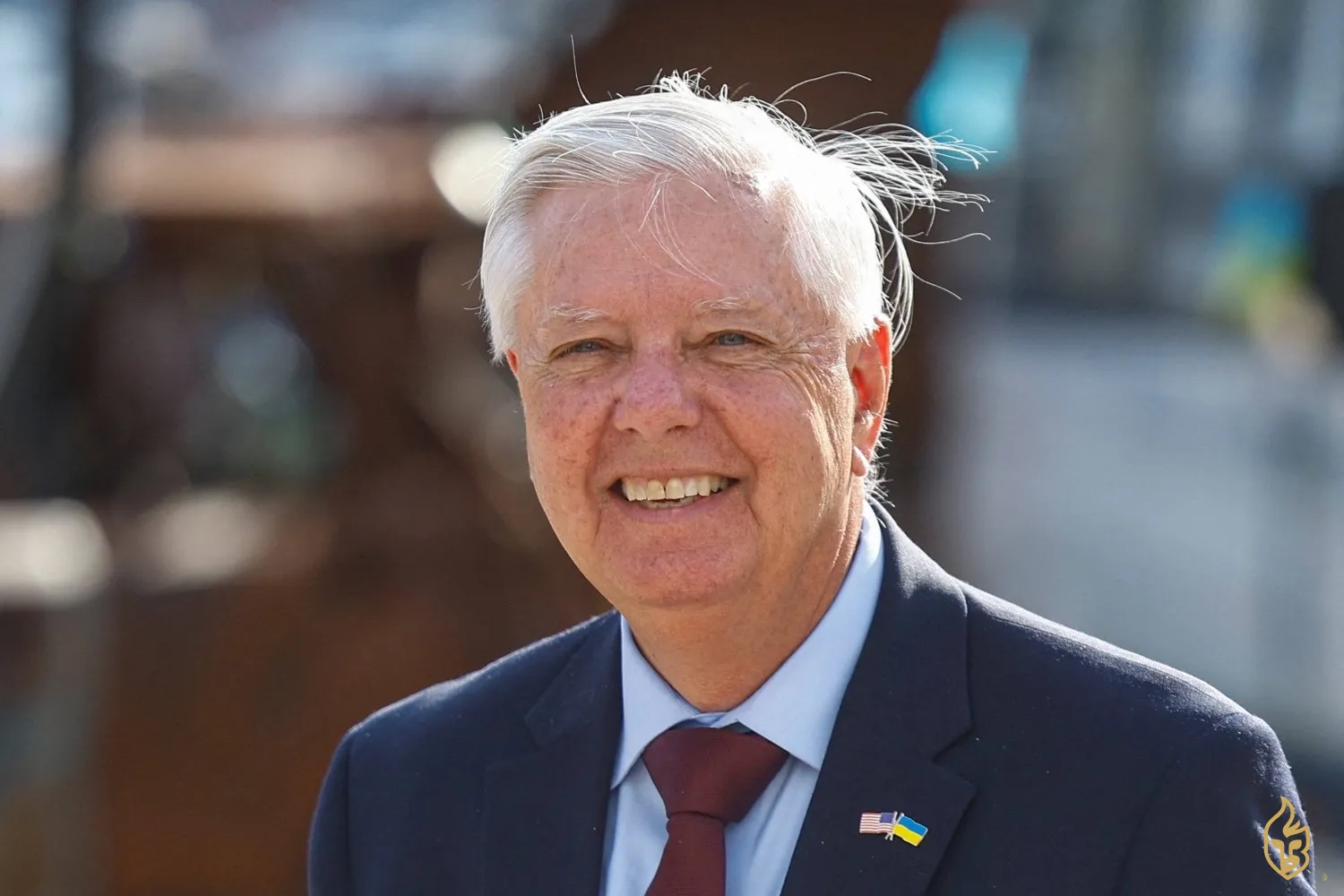
Graham was co-author of multiple pieces of legislation authorizing weapons transfers, sanctions packages, and asset seizure authorities targeting Russian oligarchs.
His full position on Ukraine — including where he agreed and disagreed with successive U.S. administrations — is examined separately.
He was a complicated figure: a man who supported the wars in Afghanistan, Iraq, and multiple other conflicts over his career, who was criticized by both anti-war progressives and isolationist conservatives.
But on Ukraine, the political left and right split differently — some liberals supported his Ukraine stance, while some on the nationalist right opposed it.
Unanswered Questions
Whether his final Ukraine trip had any connection to his death remains unknown. His office has not indicated that it did. Without an official cause of death — which has not been released — any suggestion of a link would be speculation.
This report does not speculate beyond what has been documented.
His biography and the separate account of how he died provide the surrounding context for anyone trying to understand the timeline.