

When the news broke on the evening of July 11 that Lindsey Graham had died, the reactions came fast and from every direction.
They were also, by any measure, unusually divided — reflecting the degree to which Graham had spent his career generating strong feelings on all sides.
American Political Responses
Republican leadership moved quickly. Senate Majority Leader Mitch McConnell, now in his final term, called Graham "one of the Senate's most consequential voices on national security in a generation."
Former President Donald Trump posted a lengthy tribute on Truth Social, describing Graham as "a truly great friend and a Senator who loved his country."
The two men had a complicated relationship — documented in detail in the account of the Trump-Graham political alliance — but Trump's tribute was unambiguous in its warmth.
Democratic leaders were more measured. Senate Minority Leader offered condolences to Graham's family and acknowledged his military service while stopping short of broad political praise.
Several Democratic senators who had worked with Graham on bipartisan legislation — criminal justice reform, veterans' healthcare, foreign aid packages — issued more substantive tributes that acknowledged genuine collaboration.
Ukraine's Response
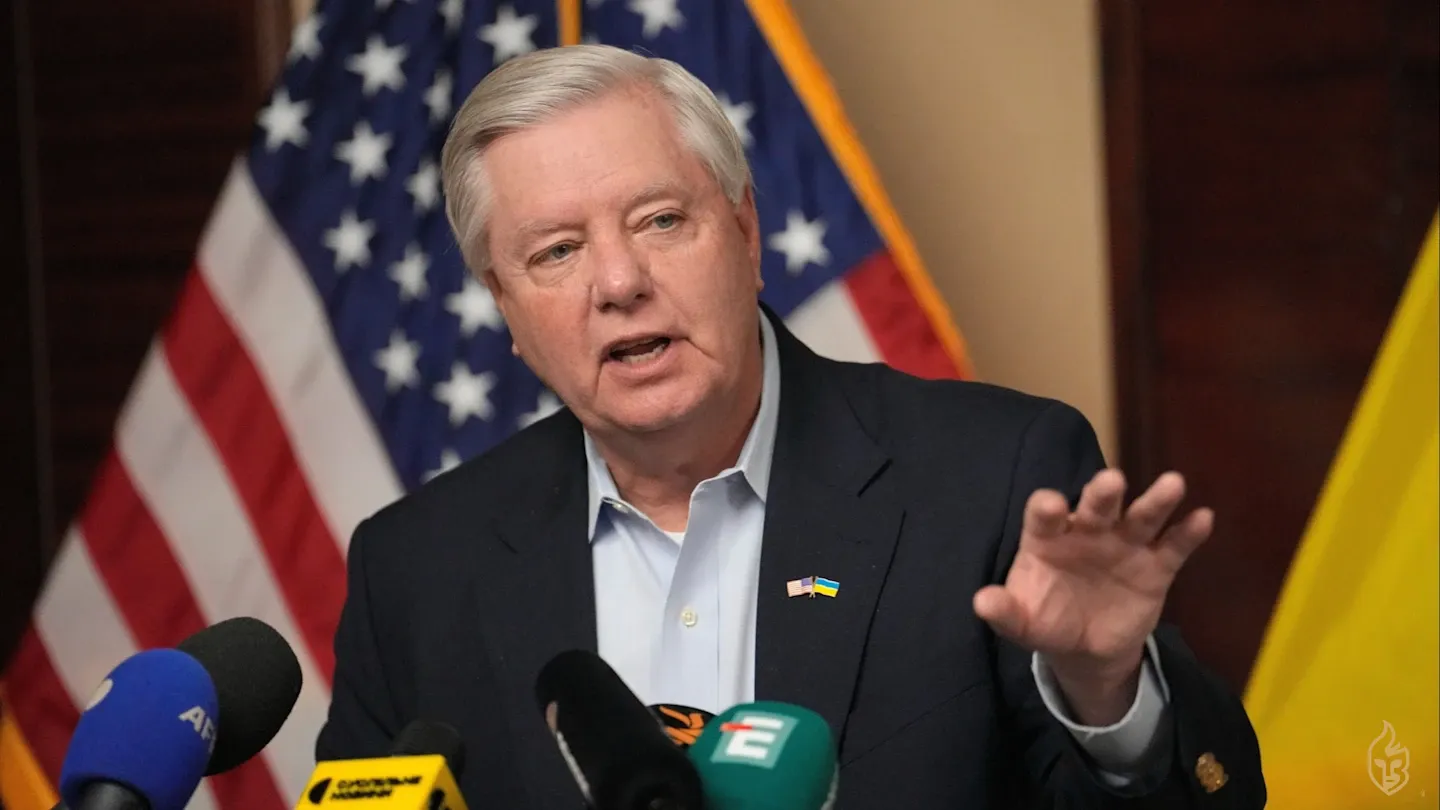
Ukrainian President Volodymyr Zelenskyy's tribute was among the most emotionally direct.
He described Graham as "a soldier in suit and tie" and said Ukraine had lost one of its most consistent American friends. Members of Ukraine's parliament observed a moment of silence.
The Ukrainian defense ministry issued a statement thanking Graham for his decade of advocacy for the country's security.
The intensity of Ukraine's response reflected how central Graham had been to American support for the country.
He had visited Kyiv more than two dozen times since 2022, including his final visit days before his death.
For Ukrainian officials, he was not an abstract political ally — he was someone they had met repeatedly, argued with, and relied on.
NATO and European Allies
NATO Secretary General issued a statement noting Graham's "unwavering commitment to the alliance."
The British, Polish, and Baltic governments all expressed condolences and noted his role in maintaining Congressional support for NATO's eastern flank.
Poland's prime minister called him "a genuine champion of collective defense."
Russia's Response
Russian state media coverage was predictably different in tone. Several state-controlled outlets ran pieces that were dismissive or openly hostile, consistent with Russia's earlier issuance of a criminal arrest warrant against Graham in 2023.
Some Russian officials made remarks that drew condemnation from Western governments.
The contrast between Western tributes and Russian commentary was itself a story — reflecting the geopolitical fault lines that Graham had spent his final decade helping to define.
Social Media: A Divided Response
Social media platforms showed the full breadth of public sentiment. Tributes from veterans' groups, defense hawks, and conservatives ran alongside a substantial volume of posts from people who were openly glad he was dead.
This phenomenon — the public expression of relief or celebration at a political figure's death — generated its own debate, covered in the analysis of why Graham was trending for such polarized reasons.
The pattern was not unique to Graham. It has accompanied the deaths of other highly polarizing figures.
But the scale of the anti-tribute response reflected how deeply his advocacy for military intervention and his Trump alliance had alienated a significant portion of the public.
South Carolina
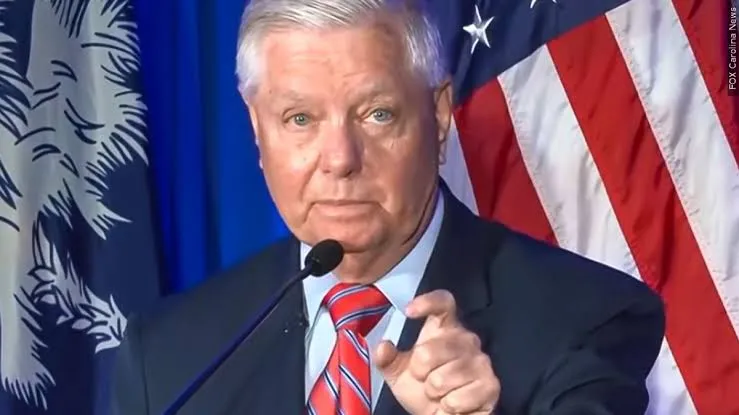
In his home state, the reaction was shaped by his thirty-two years of representing South Carolina. Flags at the state capitol were lowered. Governor Henry McMaster ordered a period of mourning.
Many South Carolinians who had voted for Graham multiple times — including some who disagreed with his foreign policy positions — expressed genuine personal loss.
He had delivered constituent services, secured federal funding for the state, and maintained an active presence in South Carolina throughout his Senate tenure.
What happens now to his Senate seat — and the political competition likely to follow — is documented in the article on Graham's Senate seat succession.