

Within hours of the news that Senator Lindsey Graham had died, his name was trending on multiple social media platforms simultaneously.
Some of what was being posted was grief. A significant volume of it was something else — relief, satisfaction, or open celebration.
That phenomenon, and the intense backlash it generated, tells you something worth understanding about American political life in 2026.
This article attempts to explain both sides of that reaction without endorsing either the celebration or the most extreme condemnations of those who expressed it.
Why Some People Expressed Relief or Celebration
Graham was not a neutral figure. Over three decades in federal office, he supported policies that cost lives — the Iraq War, military interventions in multiple countries, and sustained advocacy for further military action in Iran, Syria, and elsewhere.
For people whose family members died in those conflicts, or who lost loved ones in countries on the receiving end of the military policies he championed, the news of his death did not land the same way it did for his supporters.
His critics on the left had specific grievances: Supreme Court battles they felt he handled dishonestly, immigration positions they saw as cruel, and what they regarded as an alliance with Donald Trump that put democratic institutions at risk.
For some of them, celebrating his death was an expression of accumulated frustration with a system they felt had failed to hold him accountable during his lifetime.
A small number of posts came from people expressing satisfaction that Russia was "one warrant down" — a dark reference to the criminal arrest warrant Russia issued against Graham in 2023.
Why Others Condemned Those Celebrations
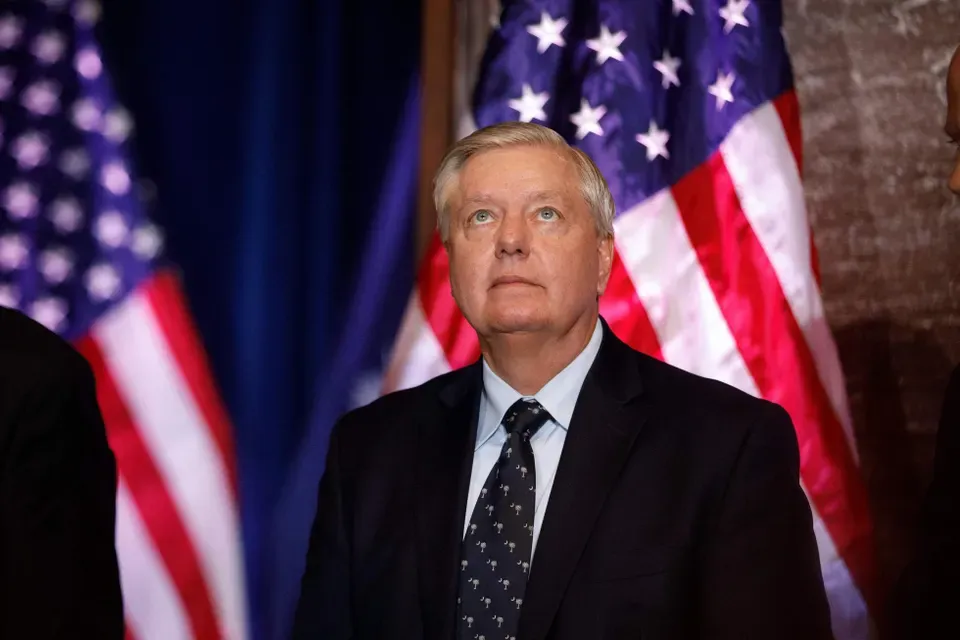
The backlash against the celebratory posts was swift and came from people across the political spectrum.
The argument most commonly made was that celebrating the death of a political opponent, regardless of how much you disagreed with their positions, degrades the political culture and normalizes a kind of dehumanization that leads somewhere dangerous.
Some of the strongest condemnations came from Graham's political opponents — people who disliked his record but drew a clear line between criticizing his policies and celebrating his death.
Several public figures noted that a person's family — including his sister Darline, for whom Graham had cared after both their parents died when he was young — did not deserve to have their grief weaponized for political point-scoring.
There is also a legal and platform policy dimension. Most major social media platforms prohibit content that glorifies or celebrates death.
Enforcement of those policies in real time during breaking news events is inconsistent, which is why significant volumes of such content remained visible for hours.
Political Polarization and What It Produces
The Graham death controversy is a window into a specific feature of contemporary political culture: the complete collapse of a shared framework for mourning public figures.
A generation ago, it was broadly understood that you did not celebrate the death of a political opponent, even one you deeply opposed.
That norm has eroded to the point where it no longer constrains significant portions of the electorate.
Graham himself was not an innocent bystander in the polarization of American politics. His record — detailed in the accounts of his controversies and why he drew such strong criticism — included actions that intensified political divisions.
At the same time, his death celebrations were a feature of the environment his critics inhabited as much as anything he did.
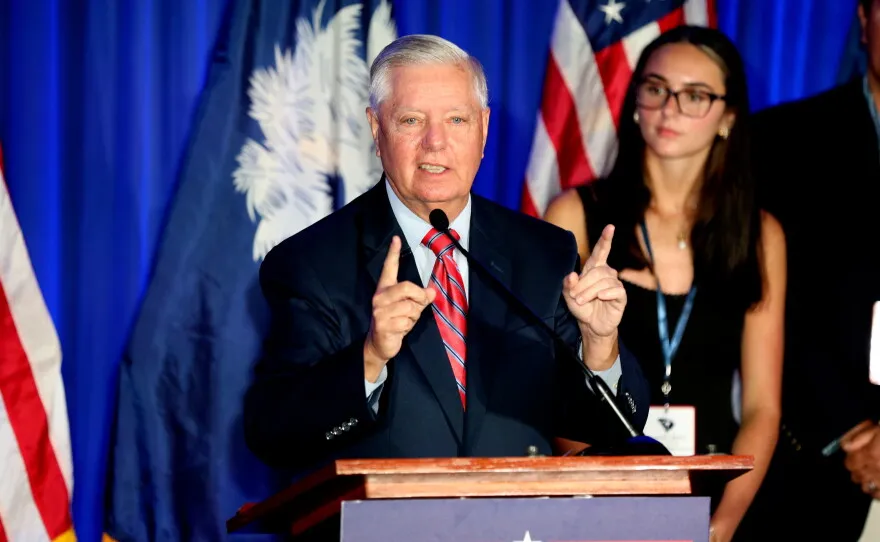
Free Speech and Its Limits
In the United States, expressing relief at the death of a public official is protected speech under the First Amendment.
That is a deliberate design choice — the framers were deeply suspicious of government power to punish political expression, and that suspicion extends even to expression that most people find offensive.
The existence of legal protection does not mean that all protected speech is good, wise, or worth defending on moral grounds. It means that the government cannot punish you for it.
Social platforms operate under different rules, and social pressure has always shaped what people choose to say.
The broader reactions to Graham's death — from official tributes to social media backlash — are documented in the piece on world reactions to his death.