

Lindsey Graham was a senator for more than two decades, and he accumulated controversies at a rate that kept political journalists consistently busy.
Most of these controversies were documented in real time, with public statements, congressional records, and news coverage. This account draws on that record.
For the broader picture, see his full biography and the account of why he drew such strong criticism from multiple directions.
The Clinton Impeachment (1999)
Graham was one of thirteen House Republicans who served as impeachment managers arguing for President Clinton's removal before the Senate.
The Senate acquitted Clinton. Graham's role made him a national figure and established his reputation as a sharp legal advocate, but it also locked him into a position on impeachment that his critics cited repeatedly during the Trump years.
The Iraq War Vote (2002)
Graham voted for the Authorization for Use of Military Force that enabled the 2003 Iraq invasion. The absence of weapons of mass destruction — the primary public justification for the war — made this vote politically costly for many who cast it.
Graham maintained his position with more consistency than most, arguing the removal of Saddam Hussein was justified on other grounds, but the human cost of the war shadowed the decision for the rest of his career.
The Supreme Court Hearings — Kavanaugh and Coney Barrett
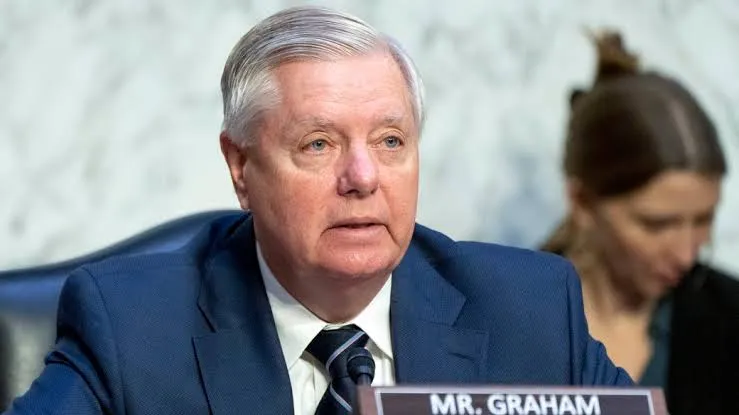
During Brett Kavanaugh's 2018 confirmation hearings, Graham delivered an angry, emotional floor speech defending Kavanaugh and attacking Democrats that was replayed widely.
Supporters saw it as principled passion; critics called it theatrical deflection from serious allegations.
More damaging to his stated principles was the Amy Coney Barrett episode. Graham had said explicitly in 2016: "I want you to use my words against me" — arguing a Supreme Court seat should not be filled in a presidential election year.
In 2020, six weeks before the election, he supported and voted for Barrett's confirmation. He said circumstances had changed. His critics said his own words proved they had not.
The Georgia Phone Call (2020)
Graham called Georgia Secretary of State Brad Raffensperger in the weeks after the 2020 election and, according to Raffensperger and his staff, appeared to ask whether ballots in certain counties could be discarded. Graham denied that characterization.
Raffensperger's account, backed by a staff member on the call, became the subject of a criminal investigation in Georgia. The episode put Graham at the center of one of the most examined post-election controversies in American political history.
The Trump Relationship
Graham's evolution from calling Trump "a complete idiot" during the 2016 primary to being one of his most dependable Senate allies is perhaps his most-discussed political story.
The full arc of that Trump-Graham relationship involved multiple reversals, including Graham's brief post-January 6 break with Trump before eventually resuming his support. Critics called it a defining demonstration of political opportunism.
His defenders argued it was strategic accommodation of political reality.
Russia's Arrest Warrant
In 2023, Russia issued a criminal arrest warrant for Graham after remarks he made during a Kyiv visit in which he described American spending on Ukraine as worthwhile partly because Russian soldiers were dying.
Russia cited the remarks as evidence of incitement to genocide. International legal scholars noted that Russia's warrant had no standing outside Russian jurisdiction, but it marked an extraordinary escalation: a sitting U.S. senator formally designated a criminal by a nuclear power. The full context of the Russia arrest warrant is covered separately.
The "Best Money" Remarks on Ukraine
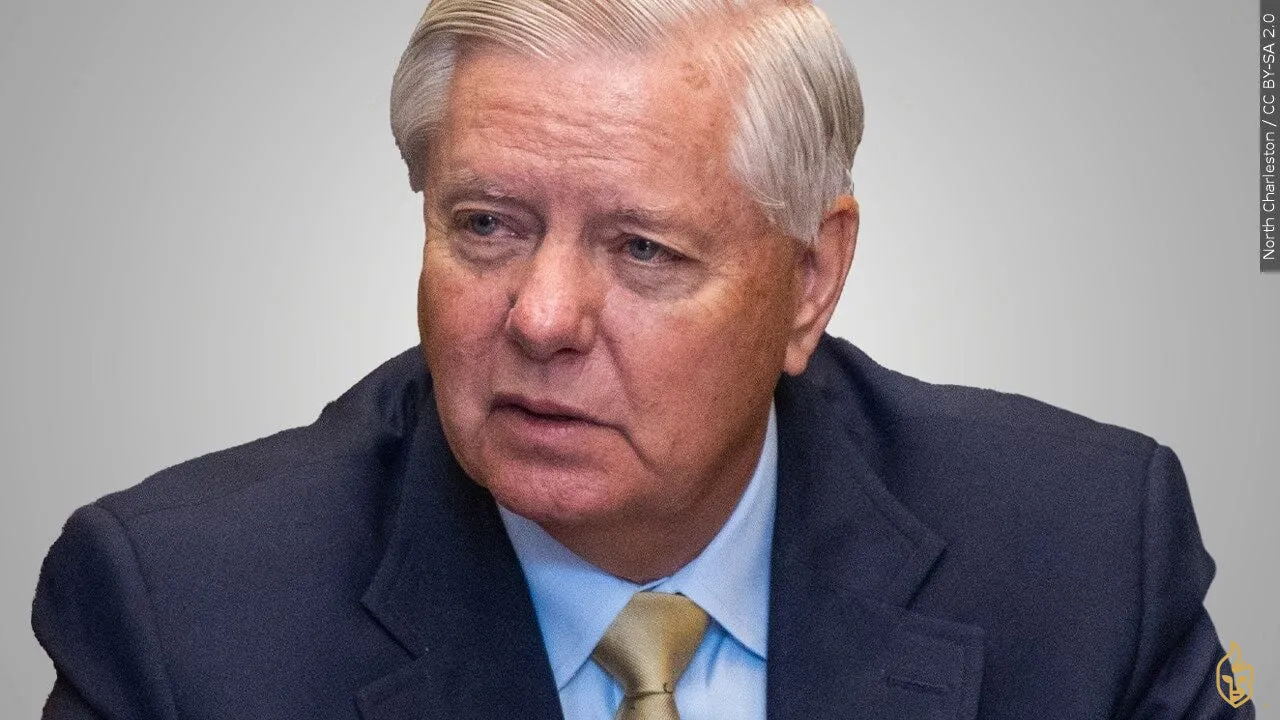
Related to the arrest warrant — Graham's statement that funding Ukraine was "the best money we've ever spent" because it was eliminating Russian forces without American casualties drew criticism from human rights advocates, anti-war groups, and even some Ukraine supporters who argued it reduced a devastating war to a cost-benefit transaction. Graham did not retract the remarks.
Immigration Reform Reversal
Graham co-authored the 2013 "Gang of Eight" bipartisan immigration bill that passed the Senate with a large majority.
Years later, as Trump's hard-line immigration positions became Republican orthodoxy, Graham moved significantly rightward on immigration, backing policies that contradicted the principles of the bill he had co-written.
His critics characterized this as one of the clearest examples of political positioning overriding stated conviction.