

Important caveat up front: as of the time of publication, Children of Blood and Bone has not yet been released. The film opens January 15, 2027. A scene-by-scene breakdown of differences is not possible until audiences have seen it.
What is possible — and useful — is a clear accounting of what is already known to differ between the book and the adaptation, based on confirmed casting decisions, production reports, and statements from those involved.
This is not speculation about the plot. It is documentation of confirmed divergences.
Casting: A Significant Departure from the Novel's Descriptions
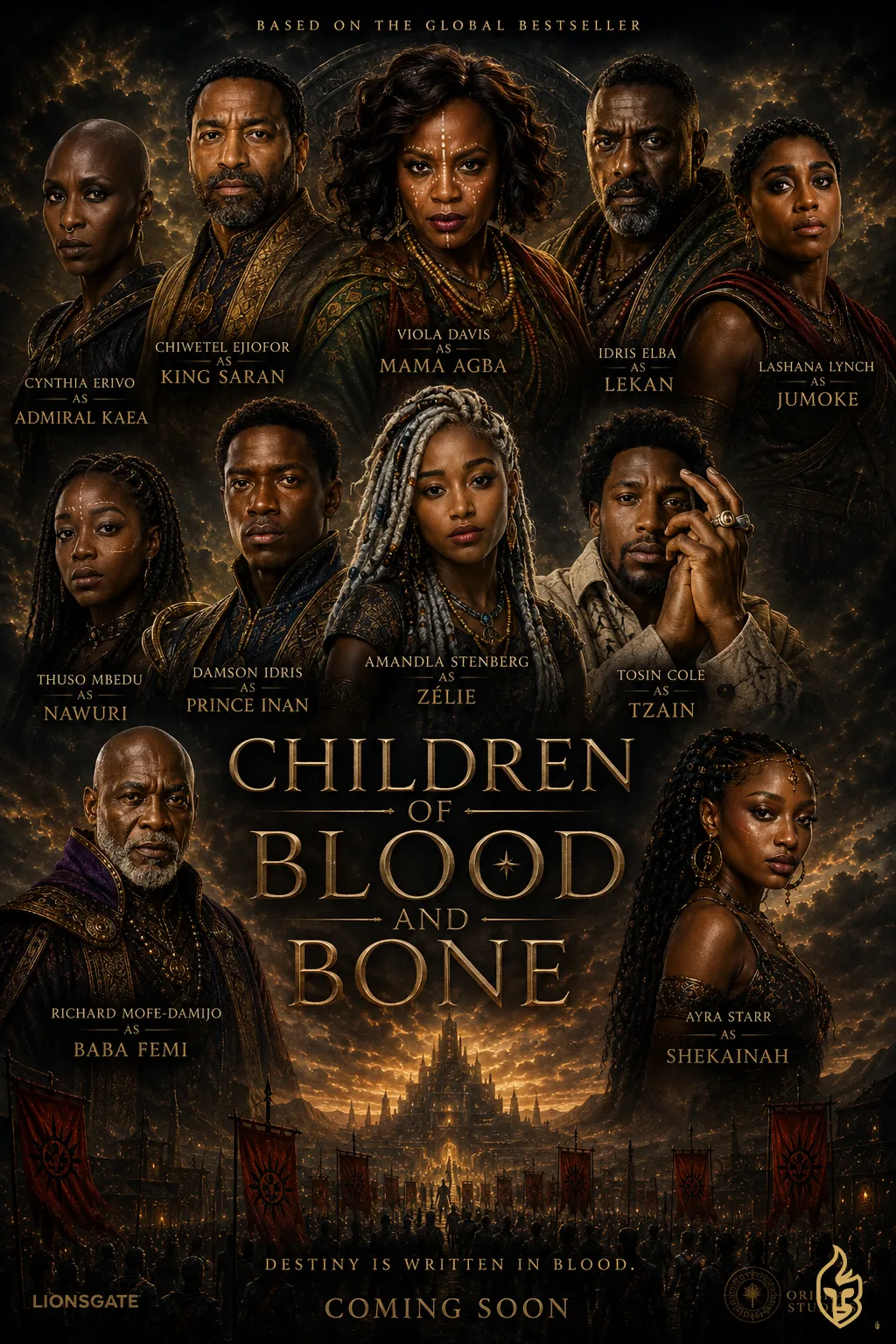
The most widely discussed difference between the book and the film concerns how major characters are physically described in the novel versus who has been cast to play them.
In Children of Blood and Bone, Tomi Adeyemi is explicit about her characters' appearances. Zélie is dark-skinned. Amari is dark-skinned.
This specificity is not incidental — it is part of the novel's deliberate political and aesthetic project, ensuring that the heroes at the centre of a story about racial oppression are visibly Black in a way that representation in mainstream fantasy has historically avoided.
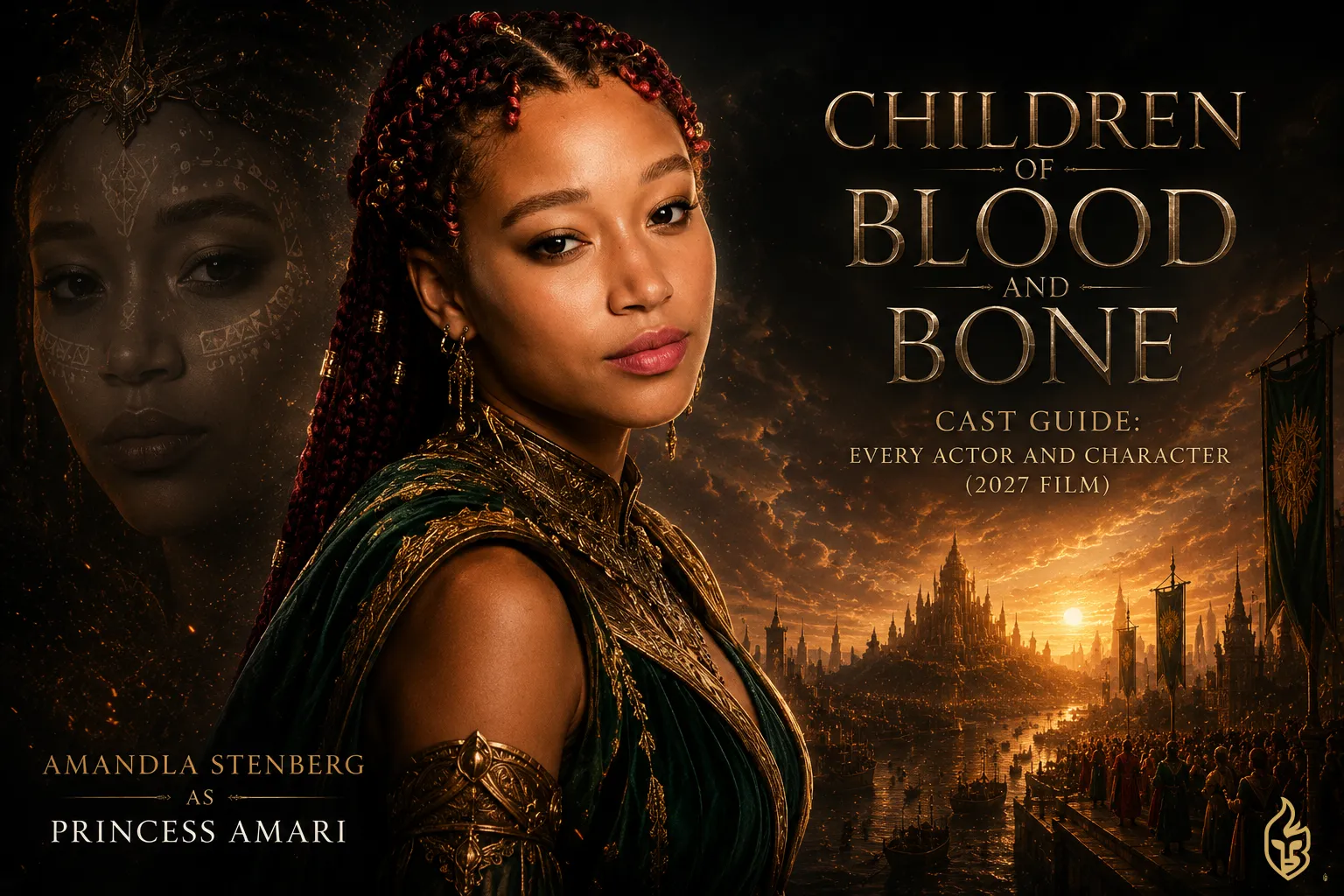
The casting of Amandla Stenberg as Amari generated significant controversy on this basis. Stenberg is biracial — of African-American and Danish heritage — and is lighter-skinned than Amari as described in the novel.
The casting of Thuso Mbedu as Zélie was also contested by some fans on similar grounds, though Mbedu's South African Zulu identity and darker complexion made her casting less controversial overall.
Whether the film addresses this visually — through costuming, lighting decisions, or other means — will be part of what audiences evaluate in January 2027.
The Screenplay Process: Author vs Adaptation
Tomi Adeyemi was originally attached to write the screenplay for the adaptation. Whether her screenplay drafts survive substantially intact in the final film is unknown — Hollywood productions routinely involve multiple writers across multiple drafts, with final credits determined by WGA arbitration.
In July 2026, Adeyemi publicly distanced herself from the film, stating she had been hurt and attacked behind the scenes.
This strongly suggests that creative decisions were made in the screenplay and/or production that she found unacceptable.
Until the film is released and compared directly to both the novel and any information about the writing process, the nature of those differences is speculative.
What the Film Likely Compresses
Children of Blood and Bone is a 525-page novel with multiple perspective characters and a significant amount of world-building that unfolds gradually. A single feature film — even a lengthy one — cannot contain all of it.
Based on the confirmed casting and the novel's structure, the film will almost certainly compress or combine certain storylines, reduce the role of secondary characters, and likely condense the novel's third act.
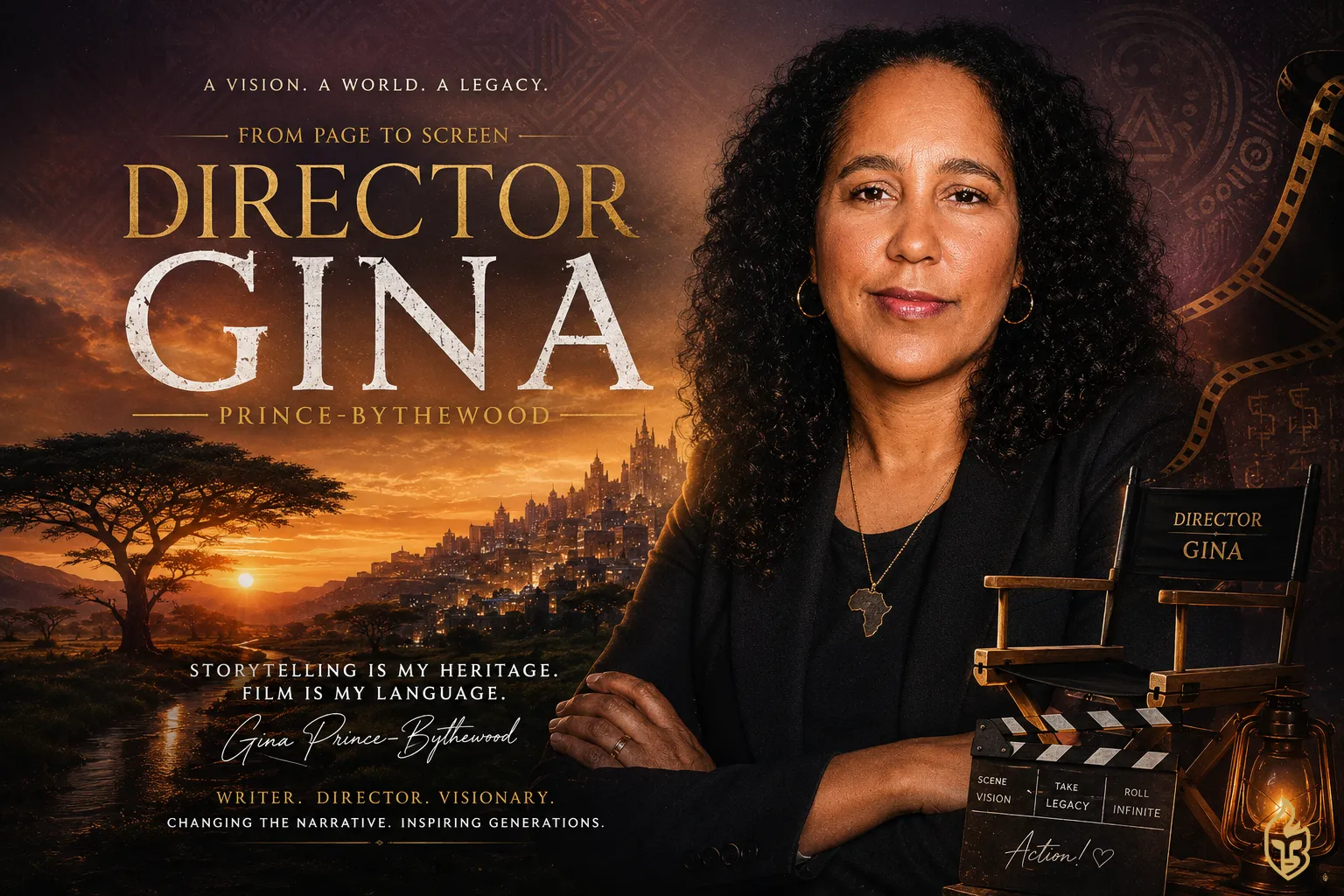
This is standard practice in novel-to-film adaptation and does not inherently indicate disrespect for the source material.
Prince-Bythewood's filmography suggests she understands how to manage large-scale stories with emotional intelligence.
Production Decisions That Diverge from the Novel's Imaginative Geography
The novel is set in a fictional West African kingdom. The film shot in Lagos, Nigeria — a real, contemporary city that will be transformed through production design to evoke the fantasy world of Orïsha.
This is actually closer to the spirit of the source material than shooting in a non-African country, even if the logistics of recreating a fantasy kingdom in a modern city involve their own challenges and compromises.
What to Watch For After the Film Releases
Once audiences have seen the film, the most productive comparisons will concern: how the Orishas and their powers are visualised; whether the political subtext — about state violence, racial oppression, and resistance — retains its force on screen; how the relationship between Zélie and Inan is handled; and whether the film's ending honours the novel's.
We will update this article after the January 15, 2027 release with a full comparison.
— FAQ —
Has the Children of Blood and Bone movie been released?
Not as of publication. The theatrical release date is January 15, 2027.
Why is there controversy about the casting?
Several major characters in the novel are explicitly described as dark-skinned. Fans raised concerns that the casting of lighter-skinned actors in some of these roles represents a form of colorism — preferencing lighter skin tones in Black representation.
Did Tomi Adeyemi write the screenplay?
She was originally attached to write it, but publicly distanced herself from the film in July 2026. The extent of her screenplay's influence on the final film is not known.